
(and why it’s important)
A large part of the energy the world produces is generated by burning fossil fuels and that is no different here in Guyana, where the majority of Guyanese depend on the Guyana Power & Light (GPL) to provide electricity for our consumption. This electricity is entirely generated by the burning of fossil fuels which release carbon dioxide and other greenhouse gases into the air, all of which have been proven to contribute to Global Warming and Climate Change. Guyana just so happens to be the most Energy-intensive per unit of GDP country in the Caribbean.
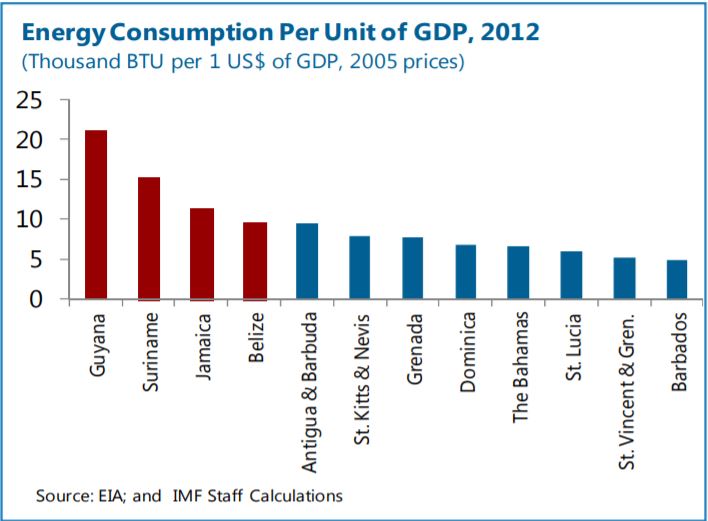
Here in Guyana, we are especially vulnerable to the risk of Global Warming as the coastline, where the majority of Guyanese live, is situated well below sea level, where even a few inches of sea level rise would spell disaster. We are already seeing the effects of climate change as can be seen in the documentary produced by REEL Guyana that can be viewed here.
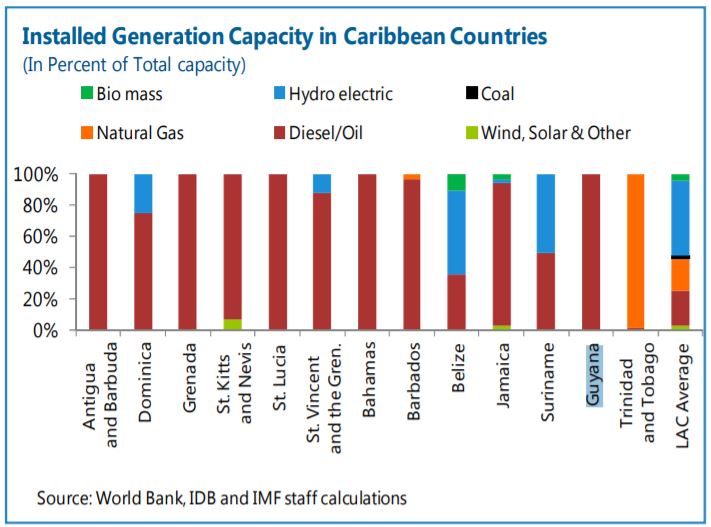
Apart from the effects of Climate Change, Guyana produces almost all of its electricity by utilising hydrocarbons and is overly reliant on non-renewable sources . Even worse, Guyanese pay amongst the highest rates in the world per kWh electricity produced.
What can you do about it?
The advancement of renewable energy technologies has led to solutions being more efficient and cost-effective which means there has been no better time to make the investment into becoming energy independent as we all do our part to save the environment (and save money as well).
Solar Direct can help with our fully-customisable Solar Energy systems for both Residential and Commercial applications.
Contact us today for a free quote and let’s tell you how you can get started!
Read more on how our Backup Systems work
Read more on how our Solar Systems work
(Source: Excerpts taken from IMF Working Paper: Caribbean Energy: Macro-Related Challenges, 2016)
 Solar Direct Guyana